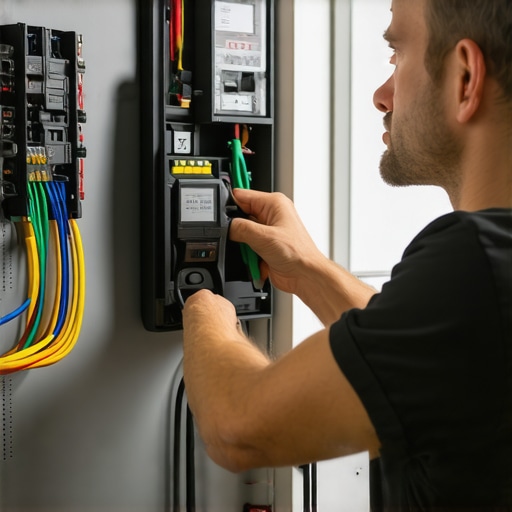

Panel Upgrades & Code Compliance Tips for Reliable EV Charger Performance
My Journey to Safer and More Reliable EV Charging at Home
Last year, I decided it was time to upgrade my electrical panel to ensure my new EV charger would operate smoothly and safely. As a homeowner passionate about electric vehicles, I quickly learned that a proper panel upgrade isn’t just about convenience — it’s about safety, efficiency, and compliance with local electrical codes. Sharing my experience might help you avoid some pitfalls and make informed decisions for your own setup.
Why I Realized That Panel Upgrades Are Essential for EV Charging
When I first installed my EV charger, I noticed occasional power fluctuations and a dimming of lights, which concerned me. After some research, I discovered that my existing panel might not support the increased load from fast chargers. According to Bright Sparks Electric’s expert guide, an outdated panel can cause issues like circuit overloads and even fire hazards if not properly upgraded. That’s when I decided to consult a licensed electrician for a panel upgrade, ensuring my system met current safety standards.
How to Ensure Your Panel Upgrade Meets Code Compliance Standards
One of the most important aspects I learned was verifying that the upgrade complies with local electrical codes. This isn’t just a bureaucratic step; it’s about safety and legal compliance. I worked with my electrician to ensure the installation adhered to the latest code requirements. It’s crucial to use certified equipment and get the necessary permits. I also found that asking for documentation of the code compliance verification gave me peace of mind and added value to my home.
What Are the Signs That Your Electric System Needs an Upgrade?
Before my upgrade, I experienced flickering lights and occasional breaker trips. If you notice similar issues, it could indicate your system is inadequate for your EV charger’s demands. Upgrading your panel not only supports your current needs but also future-proofs your home for additional electrical loads. I recommend reading this comprehensive article for more details on selecting the right panel for your EV charging setup.
How can I be sure my EV charger installation is fully compliant and safe?
Verifying code compliance is a critical step. I always advise consulting with qualified electricians who are familiar with local regulations. They can perform inspections and ensure everything meets the required standards, minimizing risks. For detailed guidance, check out this resource.
If you’re considering an upgrade, I encourage you to share your experiences or ask questions in the comments. Proper panel upgrades and code compliance are vital for reliable, safe EV charging, and it’s worth investing in professional solutions for peace of mind. Remember, a well-implemented upgrade not only protects your home but also enhances your EV ownership experience.
How Do You Future-Proof Your Electrical System for Evolving EV Charging Needs?
As electric vehicle technology advances, so do the demands on your home’s electrical infrastructure. Upgrading your panel isn’t just a one-time fix; it’s a strategic move to accommodate upcoming charging innovations and additional electrical loads. An expert approach involves assessing your current system, understanding load calculations, and integrating smart solutions that can adapt over time. For example, installing a load management system can prevent overloads and optimize energy distribution, ensuring your home remains safe and efficient. To explore this further, visit this resource for comprehensive insights.
What Are the Hidden Risks of Overlooking Panel Upgrades in EV Home Charging?
Many homeowners underestimate the importance of a proper panel upgrade, risking safety hazards such as electrical fires, circuit overloads, or damage to your EV charger. Outdated panels may not support the high current demands of fast chargers, leading to frequent breaker trips and potential system failures. Moreover, neglecting code compliance can result in costly fines or insurance issues. Expert advice emphasizes conducting thorough inspections and adhering to local electrical codes, as outlined in this authoritative guide. Choosing certified equipment and obtaining proper permits are critical steps to mitigate these risks.
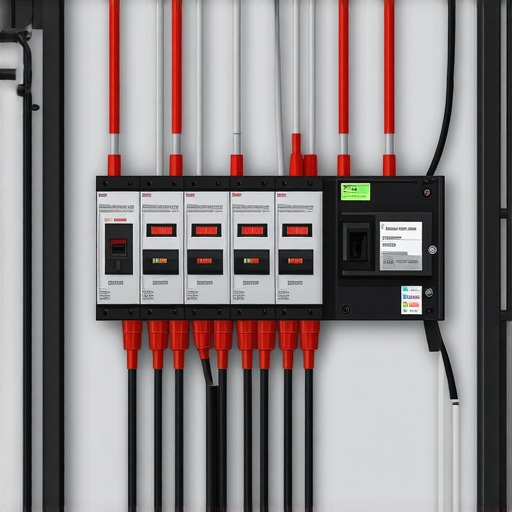
Visualize the upgraded panel with clearly labeled circuits and safety features, illustrating a modern, code-compliant electrical setup for EV charging.
How Can You Confirm Your EV Charger Installation Is Fully Safe and Compliant?
Expertise in local electrical regulations is essential for a safe installation. Consulting with licensed electricians ensures your system meets all safety standards, including proper grounding, circuit protection, and adherence to manufacturer specifications. An independent inspection can verify compliance, giving you peace of mind. For detailed guidance, explore this resource. Additionally, documenting your upgrade process and retaining certification records can be beneficial for future inspections or resale.
If you’re planning an upgrade or troubleshooting existing issues, I encourage you to share your experiences or ask questions in the comments. Ensuring your EV charging setup is both safe and compliant is a vital investment in your home’s safety and your vehicle’s reliable operation. For more expert tips, visit this page.
Balancing Safety and Innovation: The Nuances of Panel Upgrades for EV Charging
Over the past year, I’ve come to appreciate that upgrading my electrical panel isn’t merely a technical necessity; it’s a delicate balancing act between safeguarding my home and embracing technological advancements. The process exposed me to complexities that go beyond basic wiring, prompting a reflection on how future-proofing our electrical systems calls for a nuanced understanding of both current standards and emerging trends. For instance, integrating smart load management systems not only optimizes energy use but also adds an extra layer of safety, ensuring that my system adapts dynamically to varying loads without risking overloads. This experience has made me realize that staying informed about innovations, such as solid-state circuit breakers or AI-powered energy controllers, can be game-changers. Exploring these options through trusted sources like this resource has expanded my perspective on what future-ready electrical infrastructure entails.
What Are the Hidden Challenges in Ensuring Long-Term Compliance and Safety?
One of the more subtle challenges I encountered was ensuring that my upgrades remain compliant as codes evolve. Electrical standards aren’t static; they adapt to new safety findings, environmental considerations, and technological innovations. For example, recent updates emphasize the importance of arc-fault detection and GFCI protections, which weren’t as prominent a few years ago. I learned that working with electricians who are proactive about staying current with latest code requirements is crucial. They can advise on installing smart circuit breakers that can be monitored remotely, providing real-time alerts if anomalies occur. This proactive approach not only enhances safety but also simplifies future inspections, making compliance an ongoing process rather than a one-time event. It’s a reminder that safety is a continuous commitment, especially as our homes become more integrated with smart technology.
How Can I Address Sophisticated Technical Questions About My System’s Future Capacity?
With my growing knowledge, I often ponder how to future-proof my system against the rising demands of electric vehicles and home energy management. A question I frequently ask myself: How do I accurately predict my future energy needs without over-investing? Consulting resources like this comprehensive guide helped me understand load calculations at a deeper level. Moreover, engaging with professionals who utilize advanced simulation tools can provide personalized insights, ensuring that my system can handle not just today’s needs but also tomorrow’s innovations, such as bidirectional chargers or vehicle-to-grid technology. This foresight aligns with the broader goal of creating an adaptable, resilient electrical infrastructure that evolves with my needs and technological progress.
What Are the Best Strategies for Integrating New Technologies Safely and Effectively?
Integrating cutting-edge solutions like smart energy controllers or renewable energy sources requires careful planning. I’ve found that a phased approach—starting with a comprehensive assessment, followed by incremental upgrades—helps manage risks. For instance, installing a load management system first allows me to monitor real-time consumption and adapt dynamically. Partnering with electricians experienced in smart home integrations ensures that these systems are compatible and compliant. As I continue to explore these options, I keep in mind that safety should never be compromised for innovation. For those interested in this journey, I recommend exploring this resource for expert tips on safe integration practices.
If you’ve been navigating similar upgrades or have insights to share, I invite you to join the conversation below. Your experiences can shed light on the nuanced realities of future-proofing our homes, ensuring safety, compliance, and technological agility go hand in hand. After all, our electrical systems are the backbone of our evolving smart homes and sustainable lifestyles, deserving thoughtful, informed attention.
Integrating Smart Technologies for Long-Term Safety and Efficiency
As I delved deeper into the nuances of electrical system upgrades, I recognized that incorporating smart technology is pivotal for long-term safety and adaptability. Devices such as intelligent load management systems and remote monitoring circuit breakers can dynamically adjust to fluctuating power demands, significantly reducing overload risks. These innovations not only enhance safety but also streamline maintenance, providing real-time alerts and diagnostics that prevent costly failures. I learned that partnering with electricians experienced in smart home integrations, as discussed in this comprehensive resource, ensures seamless compatibility and compliance with evolving standards.
Ensuring Long-Term Compliance Amid Evolving Regulations
One subtle challenge I faced was maintaining compliance as electrical codes evolve over time. Staying ahead requires continuous education and collaboration with proactive electricians who prioritize updated standards, such as arc-fault detection and GFCI protections. Regular inspections and the integration of smart circuit breakers that support remote monitoring enable ongoing compliance and safety. This proactive approach aligns with the insights from this authoritative guide, which emphasizes the importance of future-proofing electrical infrastructure.
Predicting and Preparing for Future Energy Demands
One of my key concerns was accurately predicting future capacity needs without excessive overinvestment. Utilizing advanced load calculation tools and engaging with professionals who employ simulation software, as recommended in this detailed guide, allowed me to tailor my upgrades precisely. Considering emerging technologies such as vehicle-to-grid (V2G) systems and bidirectional chargers, I realized that designing a flexible infrastructure now can accommodate these innovations later. This foresight supports a resilient, adaptable home energy ecosystem that evolves with technological advancements.
How Can You Safeguard Your Investment with Expert Guidance?
Given the complexities involved, I strongly recommend consulting with seasoned electrical professionals who specialize in EV infrastructure and smart upgrades. Their expertise ensures that your system not only meets current standards but also anticipates future developments, reducing the need for costly retrofits. Engaging in open dialogue about your long-term goals and leveraging resources like this troubleshooting guide can significantly enhance your system’s reliability and safety. Your proactive steps today lay the foundation for a sustainable, future-ready electrical setup that safeguards both your investment and your peace of mind.
Things I Wish I Knew Earlier (or You Might Find Surprising)
Hidden Challenges of Outdated Panels
One thing I learned the hard way is that ignoring the state of your electrical panel can lead to safety hazards. I once experienced flickering lights and breaker trips, which I now realize were signs of an overloaded system. Upgrading the panel was a game-changer for peace of mind and safety.
The Power of Professional Guidance
I used to think I could handle minor upgrades myself, but consulting with licensed electricians proved essential. Their expertise ensured my system met all safety standards and code requirements, saving me from costly mistakes.
Future Demands Are Hard to Predict
Trying to anticipate future EV charging needs can be tricky. I recommend doing detailed load calculations and considering emerging technologies like vehicle-to-grid systems to avoid over-investing or under-preparing your electrical infrastructure.
Smart Technologies Can Save the Day
Incorporating smart load management systems has been a revelation. These devices adapt dynamically to power demands, preventing overloads and extending the lifespan of your system. It’s a smart investment for long-term safety and efficiency.
Code Evolving Faster Than You Think
Electrical standards are not static. Staying updated with the latest codes, like arc-fault detection and GFCI protections, is crucial. Regular inspections and smart circuit breakers help maintain compliance and safety over time.
Don’t Overlook Hidden Risks
Overlooking proper upgrades can lead to fire hazards, damage to your EV charger, or insurance issues. Ensuring your setup is both compliant and robust is worth every effort and expense.
Resources I’ve Come to Trust Over Time
- Bright Sparks Electric: Their comprehensive guides on panel upgrades and code compliance have been invaluable. I recommend their articles for anyone considering an upgrade, especially this detailed resource.
- National Electrical Code (NEC): Staying informed about NEC updates helps me understand what standards my system should meet. It’s a trustworthy source for safety guidelines.
- Local Licensed Electricians: Their expertise and inspections give me peace of mind. Building a good relationship with professional electricians is the best way to ensure ongoing safety.
Parting Thoughts from My Perspective
Upgrading my electrical panel for safe and reliable EV charging was one of the best decisions I made as a homeowner. It’s a blend of safety, future-proofing, and peace of mind that truly pays off. As electric vehicles become more common, understanding the nuances of code compliance and smart technology integration will be key to keeping your home safe and efficient. If this resonated with you, I’d love to hear your thoughts—feel free to share your experiences or ask questions in the comments. Remember, investing in a well-maintained electrical system isn’t just about today; it’s about preparing for a sustainable, electrified future.”,
Your article resonates with me because I recently faced similar challenges when upgrading my home’s electrical system for EV charging. The importance of verifying code compliance and working with licensed electricians cannot be overstated — I learned this the hard way after experiencing some flickering issues that turned out to be overloads. One thing I found particularly helpful was installing a smart load management system, which not only improved safety but also helped optimize energy usage. It made me think about how emerging smart technologies, like AI-powered circuit breakers, could further enhance long-term safety and adaptability in our homes. How have others here integrated such advanced systems, and what has been your experience with maintaining compliance as regulations evolve? I believe proactive upgrades and smart monitoring are key steps toward future-proofing our electrical infrastructure.
Reading your experience really struck a chord with me. I recently undertook a similar project to upgrade my electrical panel to support my EV charger, and I agree that safety and code compliance are crucial. What caught my attention was your mention of integrating smart load management systems. I’ve also been exploring AI-powered circuit breakers, which seem promising in enhancing long-term safety by providing real-time monitoring and predictive maintenance. However, I wonder how homeowners can ensure these advanced systems stay compliant as regulations evolve. Have you found reliable sources or professionals who specialize in maintaining compliance with these emerging technologies? It’s fascinating to see how technology is evolving in home electrical systems, and I’d love to hear more about your insights on balancing innovation with regulatory adherence. Sometimes, the rapid pace of technological change makes it challenging to keep everything up to date, but investing in expert guidance seems to be the way to go.
Your detailed share of upgrading your electrical panel really highlights the importance of not just meeting current safety standards but also preparing for future demands. I recently faced a similar situation where my outdated panel was causing flickering lights and occasional breaker trips, especially when running high-power appliances simultaneously. Upgrading with a licensed electrician, informed by expert guides like those you mentioned, made a huge difference in system stability and safety. What strategies have you found most effective for estimating future load needs, especially with the growing interest in bidirectional chargers and renewable integrations? It seems like proactive planning now can save a lot of headaches later on. I also wonder how homeowners can stay abreast of evolving codes—are there specific resources or memberships you recommend for ongoing education? Thanks again for such an insightful post; it’s clear that investing in the right upgrades and professional guidance is key to future-proofing our homes.
Your detailed insights really resonated with me, especially regarding the importance of future-proofing electrical systems for EV charging. I recently faced similar challenges with outdated panels causing flickering and trips whenever I tried to charge multiple devices at once. Upgrading with a licensed electrician based on trusted resources indeed made a world of difference. I’m curious about the load calculation methods others use for estimating future needs, especially as I consider integrating renewable energy sources and bidirectional chargers. Does anyone have recommendations for reliable tools or professionals experienced in such planning? Also, staying updated with the latest electrical codes can be daunting—I’ve found that subscribing to local trade associations or organizations like the NECA helps keep me informed. It’s clear that proactive planning and professional guidance are key for safety and efficiency. Have others had success with smart load management systems or AI-powered circuit breakers? Would love to hear your experiences or suggestions to better prepare for future technological demands.
Your experience really underscores how critical it is to ensure our electrical systems are truly prepared for the demands of modern EV chargers. The steps you took, especially working with licensed electricians and verifying code compliance, are so important. I’ve been considering a panel upgrade myself, and I recently read about smart load management systems that can dynamically balance the load and prevent overloads. Have you or others here integrated such systems yet? I’d be interested to hear how they’ve performed long-term and if they’ve added that extra layer of safety and convenience you mentioned. Also, staying ahead of evolving electrical codes seems daunting—what resources or communities do you recommend for keeping up consistently? Thanks for sharing your journey; it’s inspiring and a great reminder for all of us about the importance of proactive planning to future-proof our homes for EV adoption and beyond.
Your experience highlights such an important aspect of home EV charging that often gets overlooked until problems arise. I totally agree that working with licensed electricians and ensuring code compliance are non-negotiable for safety and legality. I recently learned that integrating smart load management systems can really make a difference in avoiding overloads and optimizing energy use—especially as more smart tech becomes available for residential use. I’ve been exploring options like AI-enabled circuit breakers, which could offer even more proactive safety measures. Has anyone here tried installing these sorts of systems long-term? I’m curious about the practical challenges or benefits you’ve experienced. It seems clear that staying educated and working with professionals is key as regulations and technology evolve so quickly. What other upgrades or tools has anyone found effective in future-proofing their electrical systems for the growing demands of EVs and smart home tech? Always looking for insights on best practices for safety and efficiency!